#1 API AUTOMATION TESTING

Automate API tests
right inside your
end-to-end tests.

Import a Postman or OpenAPI spec and get runnable API tests.

Add an API step inside a UI flow, or run it as a standalone test.

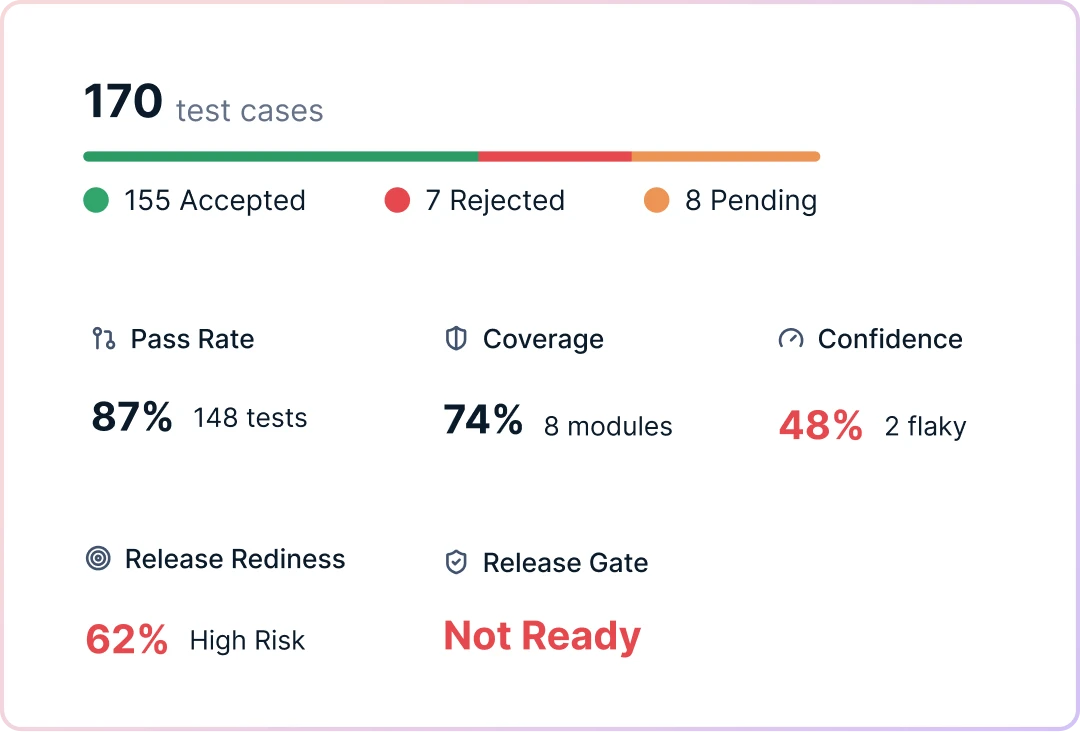
See your API results roll into one coverage view.

G2 Cloud
Testsigma - Nokia
Testsigma - Zeiss
Testsigma - DHL
Testsigma - Kfc
Testsigma - Carrier
Amway
Testsigma - Sanofi
Testsigma - Nagra
Testsigma - Space42
Testsigma - Puma
Testsigma - VF Corporation
Arizona
Testsigma - Finance House
Testsigma - Iifl
Testsigma - Puma
Testsigma - State Form
Testsigma - Kendra Scott
Testsigma - Nokia
Testsigma - Zeiss
Testsigma - DHL
Testsigma - Kfc
Testsigma - Carrier
Amway
Testsigma - Sanofi
Testsigma - Nagra
Testsigma - Space42
Testsigma - Puma
Testsigma - VF Corporation
Arizona
Testsigma - Finance House
Testsigma - Iifl
Testsigma - Puma
Testsigma - State Form
Testsigma - Kendra Scott

Trusted by high-performing
Quality Engineering teams

10X

Faster Test Development

90%

Lesser Test Maintenance

30%

Shorter Development Cycle

bg-patternbg-pattern

API testing, built into your end-to-end suite

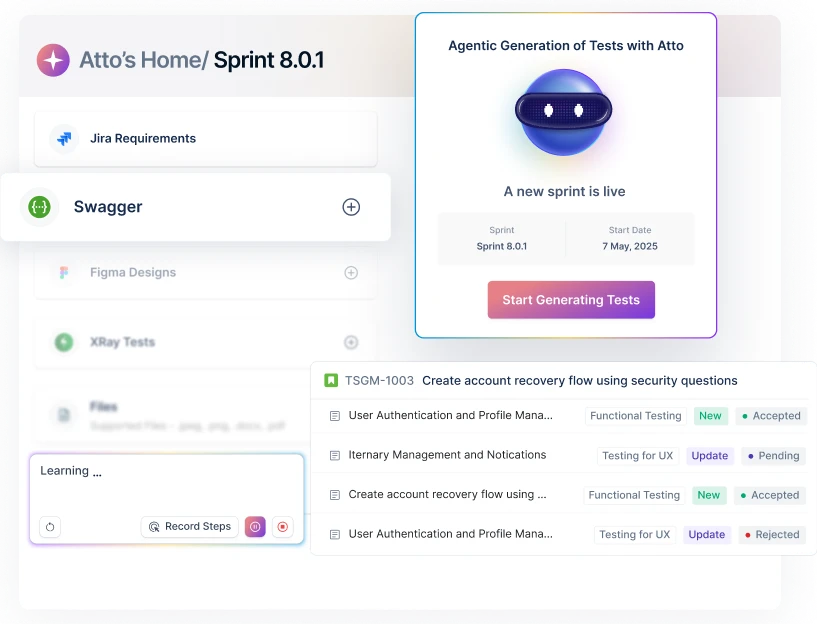
Turn your specs into tests
in minutes
Turn your specs into tests in minutes

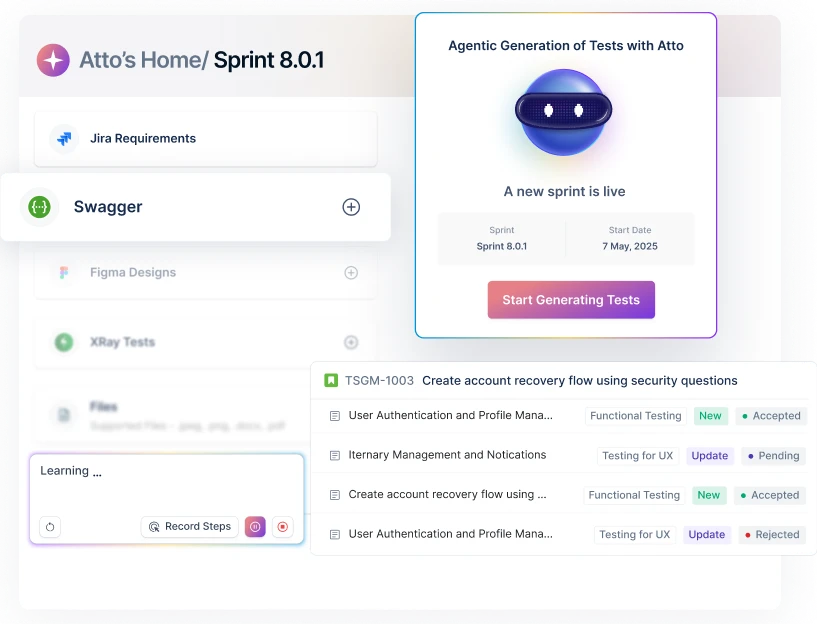
Import your Postman or Swagger/OpenAPI collection, and Testsigma parses the spec, detects endpoints, builds payloads, and writes assertions for status codes, headers, schema, and response body. No setup, no scripting.

Get Started
Validate the full journey,
end to end
Validate the full journey, end to end

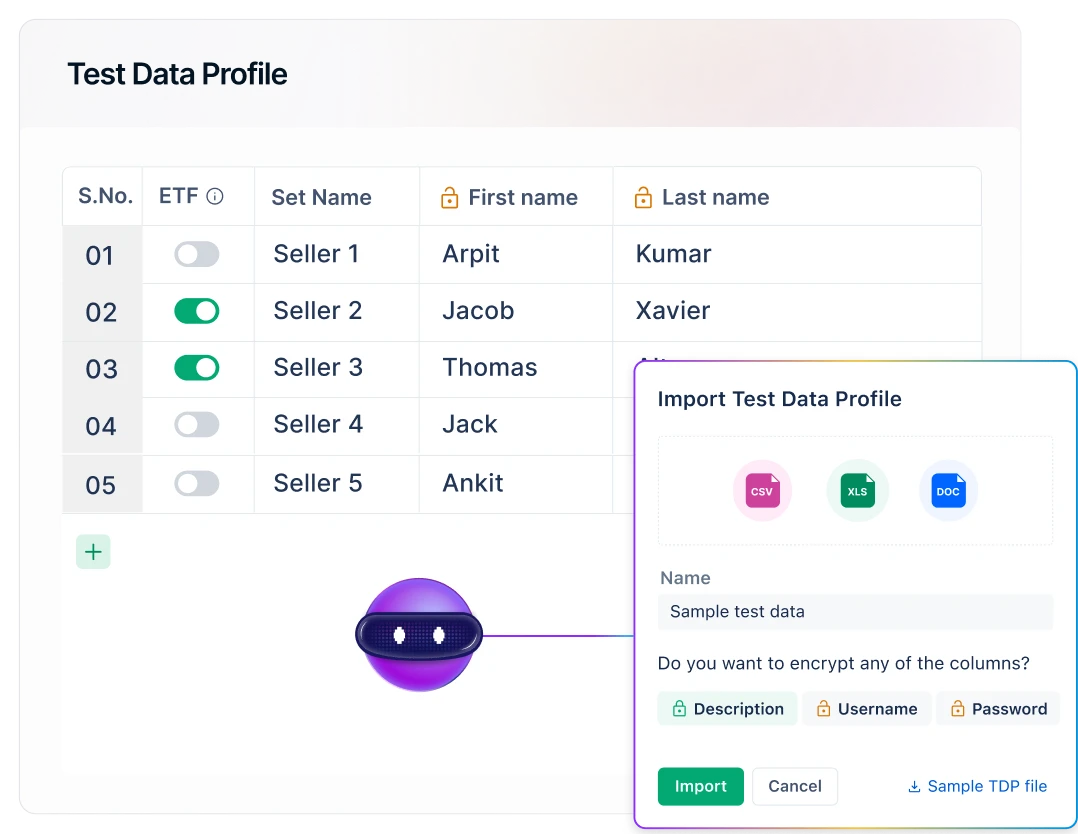
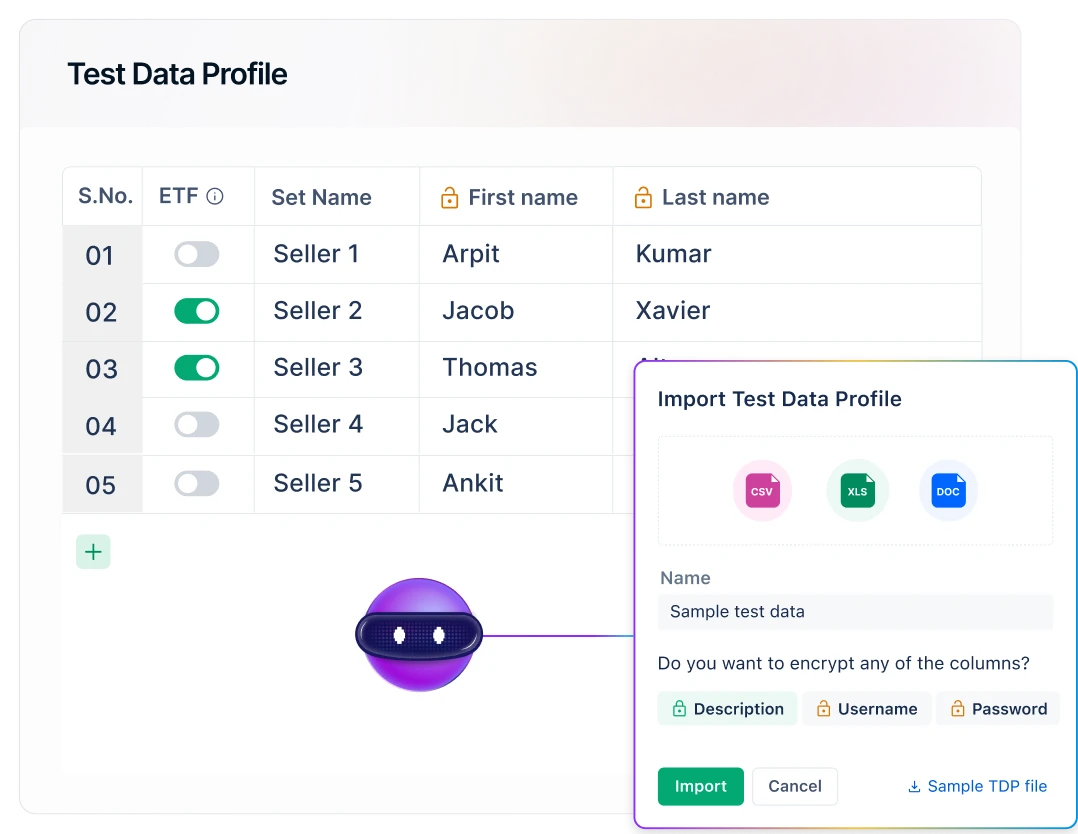
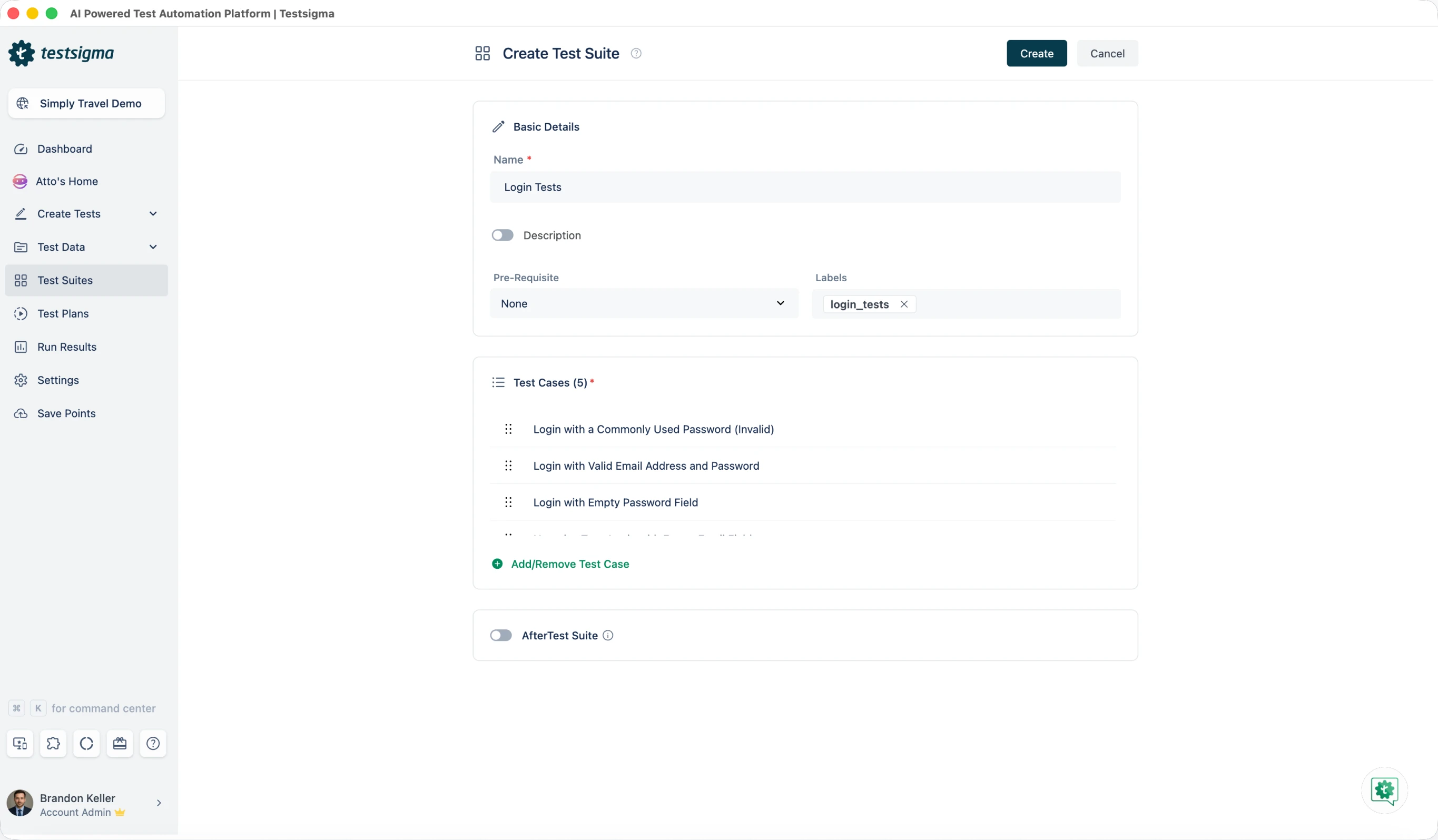
Chain API and UI tests in one suite. Test the backend, then confirm the frontend renders it correctly. Add data-driven inputs from CSV, Excel, or a database to cover many cases with one test, and reuse common sequences like auth with Step Groups.

Get Started
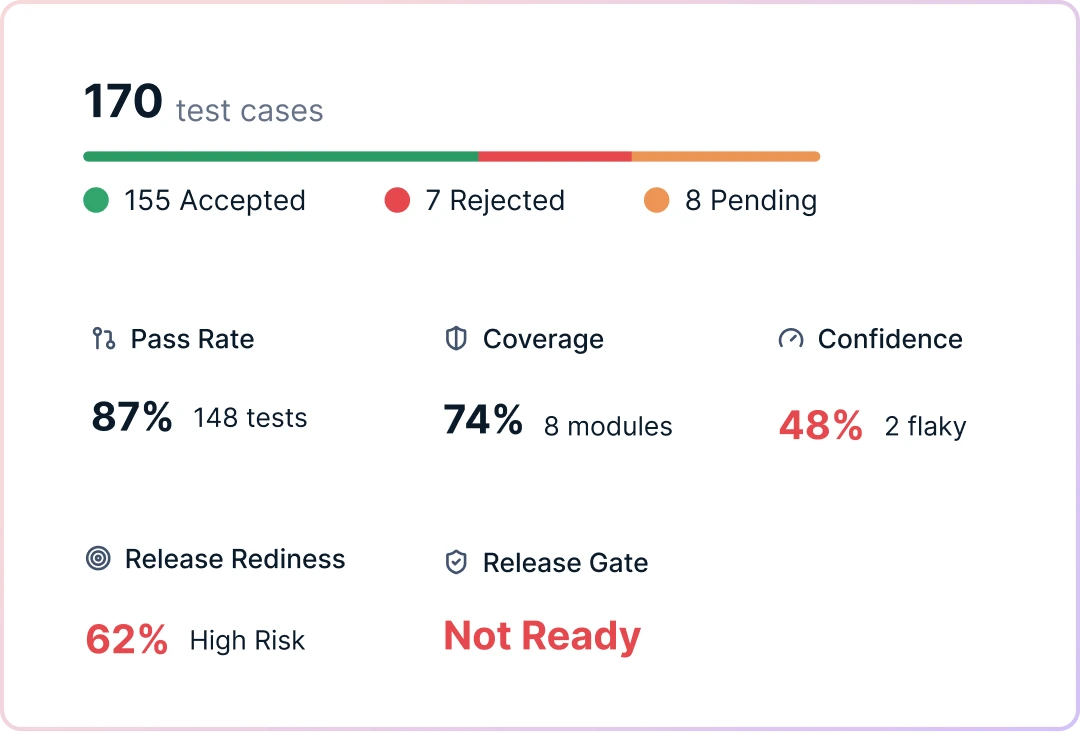
Your backend counts toward coverage
Your backend counts toward coverage

API results sit alongside your web and mobile tests in one system. Coverage reflects the whole journey, backend through frontend, so you know what’s tested end-to-end before you ship.

Get Started
Automated API Testing: Testsigma vs Alternatives

Tool
Best fit when you choose them
Where they fall short
Postman
Pure API-only testing; developer-led teams; strong API documentation workflows
API-only (not unified UI + mobile); can require coding for complex tests
Katalon Platform
Desktop app testing priority; existing Selenium/Appium stack; budget-conscious teams
Less advanced AI; less cloud-native by design
ReadyAPI (SoapUI Pro)
Heavy SOAP requirements; security testing is critical; strict on-premise needs
More legacy-focused; complex scripting; less modern unified approach
ACCELQ
Enterprise integrations; autonomous testing focus; business process testing
Similar positioning but less user-friendly; can feel heavier to adopt
BrowserStack
Massive real-device coverage (3000+ browsers/devices); real device testing priority; brand trust
Primarily infrastructure-focused (device cloud), not a true unified testing platform
Why choose Testsigma
Unified API + Web + Mobile in one platform; no-code for QA; AI-powered maintenance
Agentic AI features; stronger cloud-native approach; better Postman/Swagger imports
Unified UI + API testing; cloud-native preference; no-code execution for teams
Better UX/interface; stronger community/support; more accessible pricing
True unified API + UI testing; AI generation + maintenance; low-code for non-developers

Testsigma is the only unified platform with Agentic AI that lets you test APIs alongside Web and Mobile without writing code.

Import Postman or Swagger API Tests Ready in Seconds With AI

One-Click Import from Postman & Swagger

One-Click Import from Postman & Swagger

Export Postman collections or Swagger/OpenAPI specs (JSON/ZIP) and upload to Testsigma. Tests are parsed instantly and ready to run, no manual setup.

AI-Powered Test Generation from API Specs

AI-Powered Test Generation from API Specs

Testsigma’s Generator Agent turns imported Postman/Swagger specs into full API test cases, auto-detecting endpoints, creating payloads, and adding assertions with zero code.
Instant API Test Customization & Extension

Instant API Test Customization & Extension

Edit tests using plain-English steps or the visual builder. Add data-driven inputs (CSV/XLS/DB), chain API calls, or connect API + UI flows in the same platform.

Real-Time Response Validation with AI Assertions

Real-Time Response Validation with AI Assertions

Smart assertions are auto-created for status codes, headers, schema, and response body. AI also suggests expected outcomes from your API spec, reducing manual validation work.

Self-Healing API Tests with Healer Agent

Self-Healing API Tests with Healer Agent

When endpoints or schemas change (URLs, params, structures), the Healer Agent detects updates and adapts tests automatically, cutting maintenance up to 90% and keeping imports stable.

What is Automated API Testing?

Automated API testing is the practice of using tools/scripts to automatically send requests to an API and verify the responses (status codes, headers, data, and performance) so you can quickly catch issues without manually testing endpoints.

Features of API Test Automation

This creates API tests automatically from your existing inputs like Swagger/OpenAPI specs, user stories, and product documentation. It reduces the time spent writing tests from scratch and improves coverage from day one.

Testsigma can help you:

  • Generate API test cases automatically from Swagger/OpenAPI, user stories, and docs.

  • Cover happy paths, negative flows, and edge cases without manual effort.

  • Remove the test creation bottleneck and speed up API automation adoption.

Benefits of Automated API Testing

Speed and Efficiency

Speed and Efficiency

Automated API testing cuts regression cycles from days to hours. It also automates repetitive checks so QA can focus on exploratory testing and support weekly releases without delays.

AI-Powered Intelligence

AI-Powered Intelligence

AI reduces the effort needed to create and maintain API tests. It can generate tests from specs and requirements and reduce maintenance through auto-healing behavior.

Low-Code and No-Code Accessibility

Low-Code and No-Code Accessibility

Automated API testing becomes usable for non-developers through low-code/no-code workflows. This lets manual testers contribute and reduces reliance on specialist automation engineers.

Unified Testing in One Platform

Unified Testing in One Platform

Automated API testing works best when it runs alongside web and mobile tests in one place. This reduces tool sprawl and helps teams manage execution, reporting, and environments together.

Resource Optimization

Resource Optimization

Automated API testing helps teams scale coverage without scaling headcount. It increases throughput dramatically compared to manual execution and makes large test suites realistic to maintain.

How to Automate API Testing with Testsigma

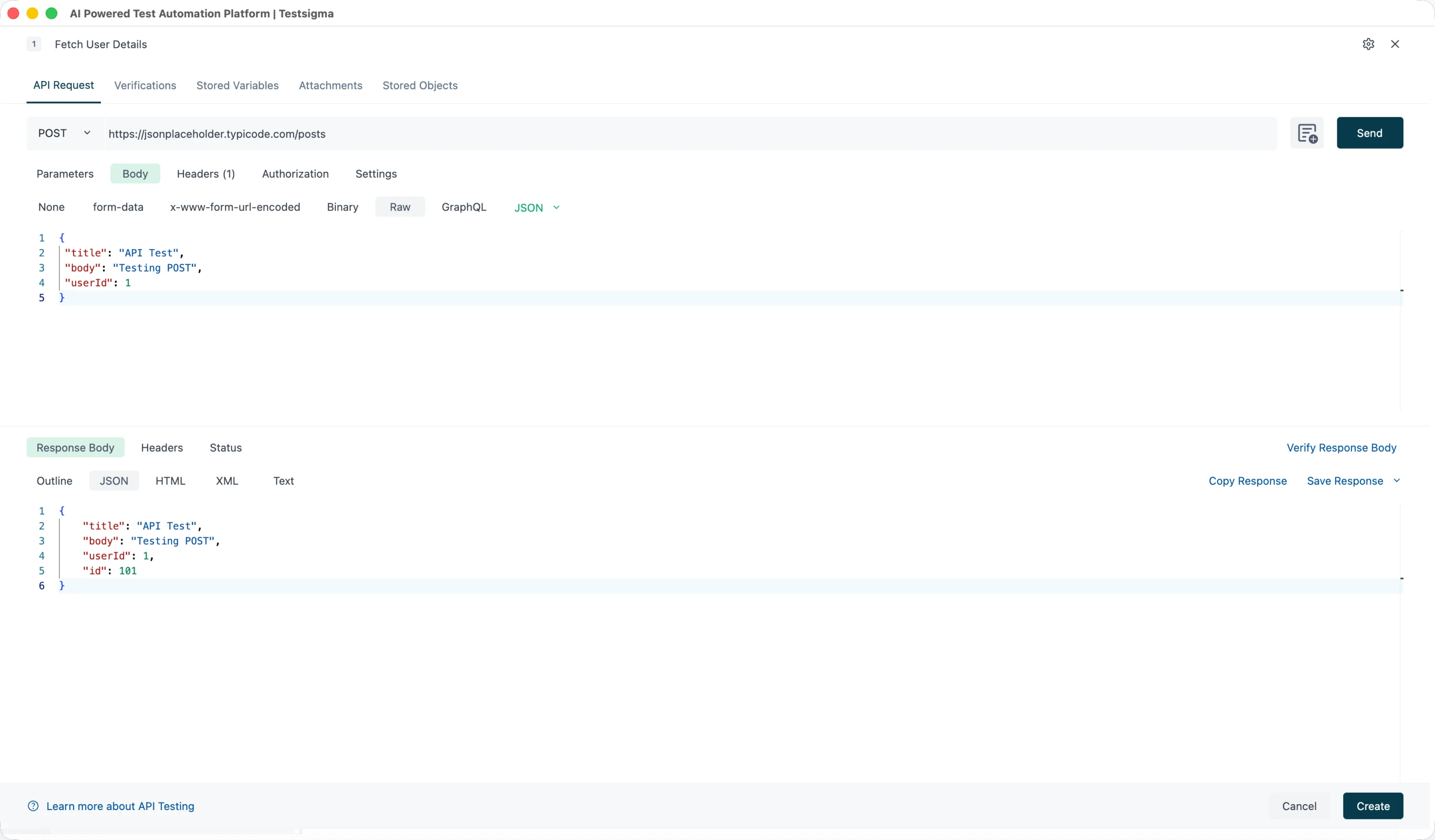
Create a test case for each planned check. In Testsigma, you can do this without code by using the Generator Agent or recording steps, then add assertions to validate request values, response fields, and the response schema.
Test Case

Frequently Asked Questions

API automation testing uses software to send requests to your API and check the responses automatically: status codes, schema, data, and performance. It catches broken endpoints before they reach the UI or production. With Testsigma, agents build and maintain these tests from your specs.
You import a Postman or Swagger spec, or describe the test in plain English. The Generator agent creates the request, adds assertions, and runs it. Results log with full request/response detail, and tests can chain into end-to-end flows.
Import your Postman collection or Swagger spec and Testsigma builds runnable tests for you. Edit them with plain-English steps or the visual builder. No code needed to create, run, or maintain them.
Trigger API tests on every build through Jenkins, Azure DevOps, GitLab, and more. Send real-time reports to Slack or Teams so failures surface immediately.
Schema drift, changing endpoints, chained dependencies between calls, and keeping assertions current. The Healer agent adapts tests to endpoint and schema changes, and the Analyzer agent separates real failures from noise.
It removes the manual work of writing requests and assertions and the maintenance when APIs change. Agents generate tests from specs and repair them automatically, so coverage keeps pace with a fast-moving API.
Yes. The Generator agent parses your Postman or Swagger/OpenAPI spec, detects endpoints, builds payloads, and writes assertions with zero code.
Testsigma auto-creates assertions for status codes, headers, schema, and response body, and suggests expected outcomes from your spec, cutting manual validation work.
The Healer agent detects schema changes (new fields, changed structures, updated endpoints) and adapts the affected tests automatically, so a schema update doesn’t break your suite.