

Table Of Contents
- 1 Key Takeaways
- 2 Why Safari Testing Is Harder Than Other Browsers
- 3 How Can You Test Safari Without a Mac
- 4 Safari Browser Testing with Testsigma
- 4.1 Real Safari on macOS, not emulated
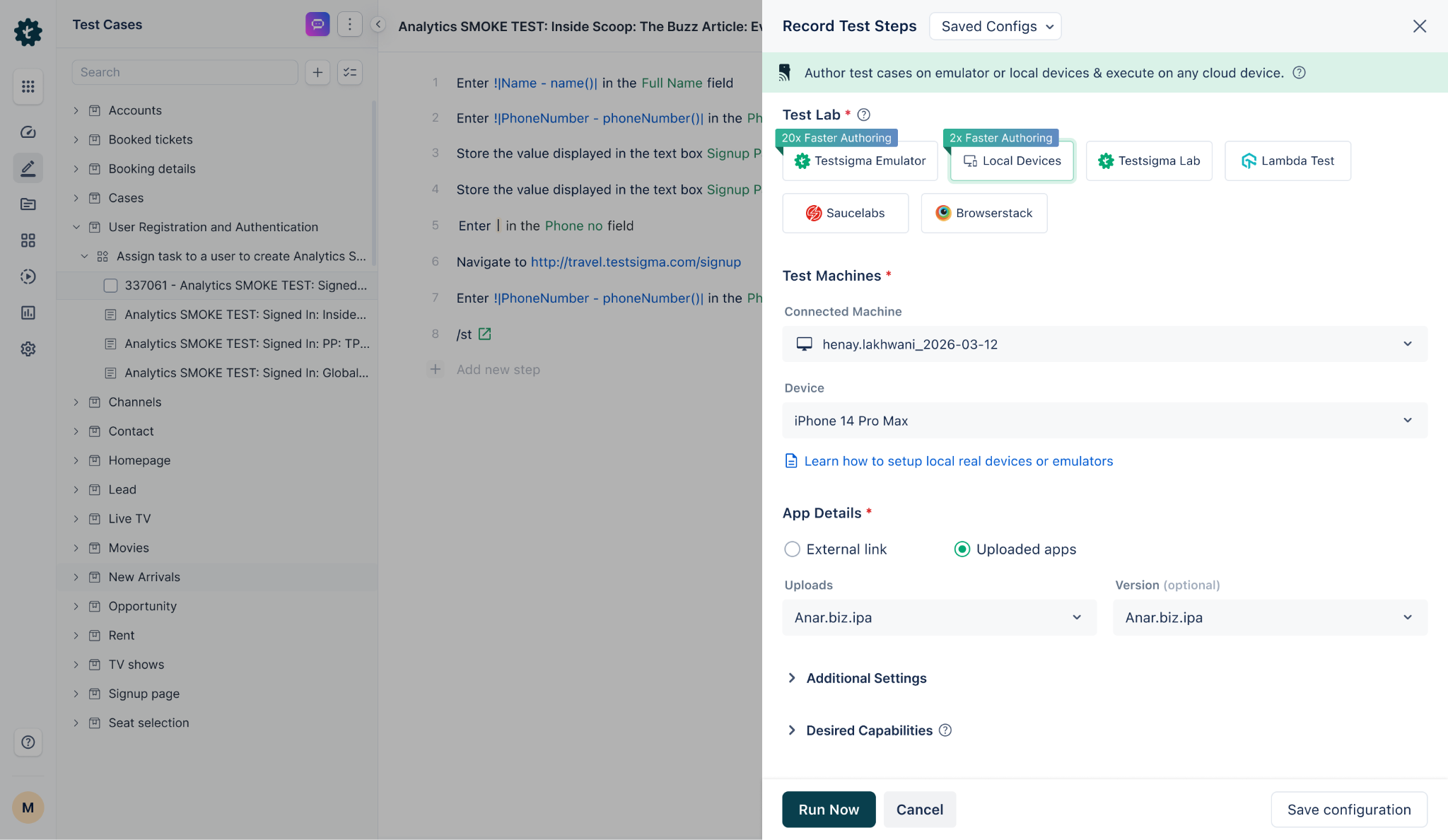
- 4.2 Safari testing on iOS: real iPhones and iPads
- 4.3 Automated Safari tests with Selenium and Playwright
- 4.4 Parallel Safari testing across multiple versions
- 4.5 Safari in your CI/CD pipeline (Jenkins, GitHub, CircleCI)
- 4.6 AI-powered self-healing tests for Safari automation
- 5 Safari Versions and macOS Supported
- 6 Common Safari-Only Bugs You’re Missing on Chrome
- 7 Why Teams Choose Testsigma for Safari Testing
- 8 FAQ’s
Key Takeaways
- Safari runs on WebKit, not Chromium, so passing tests in Chrome, Edge, or Brave doesn’t guarantee Safari compatibility.
- 15-20% of browser bugs commonly show up only in Safari, and Apple has never released Safari for Windows or Linux.
- Chrome DevTools “Safari mode” only spoofs the user agent string — the page still renders with Chromium’s engine, so WebKit-specific bugs go undetected.
- Cloud testing platforms like Testsigma provide real Safari on macOS and iOS hardware, reachable from Windows or Linux, without buying a Mac.
- Testsigma supports existing Selenium and Playwright automation, parallel testing across Safari versions, and CI/CD integration with Jenkins, GitHub Actions, GitLab CI, and CircleCI.
Why Safari Testing is Harder Than Other Browsers
Safari Uses Webkit, Not Chromium
Chrome, Edge, and Brave all run on Chromium, so passing tests in one usually means passing in the others too. Safari doesn’t play along. It runs on WebKit, Apple’s own engine. Selenium supports Safari directly, but Playwright’s “Safari” coverage actually runs against WebKit locally, not the Safari browser itself, which isn’t quite the same test. CSS, JavaScript APIs, and layout behavior in WebKit diverge from Chromium in ways that only surface when you test against the real thing.
15-20% Of Browser Bugs Appear Only in Safari
Teams that skip Safari testing routinely find that a chunk of their reported bugs, commonly cited in the 15-20% range, never show up in Chrome or Firefox at all. That’s not a rounding error. Safari and Safari-based mobile browsing carry a large share of iPhone and iPad traffic, so Safari-only bugs tend to hit a large, often high-value slice of visitors.
Apple Does Not Release Safari for Windows OR Linux
Apple killed Safari for Windows in 2012, and there’s never been an official Linux build. If your team runs Windows or Linux machines, which most do, there’s no “just install it” option. Testing Safari natively means getting access to actual macOS or iOS hardware, or a service that provides it.
Chrome Devtools “safari Mode” Does Not Replicate Real Safari Rendering
Chrome’s device toolbar lets you switch the user agent string so a page thinks it’s talking to Safari. Firefox and Edge have similar tricks. All this changes is the string the browser sends. The page still renders with Chromium’s engine. Any bug that comes from how WebKit parses CSS, handles fonts, or runs JavaScript won’t show up in this kind of test, because the rendering itself hasn’t changed at all.
How Can You Test Safari without a Mac
Option 1: Cloud Browser Testing Platforms (Recommended)
Cloud testing platforms like Testsigma run tests on real Safari installs on real macOS and iOS hardware, hosted in the cloud and reachable from Windows, Linux, or macOS through a browser. This is the only option that gives you actual Safari rendering, real ITP (Intelligent Tracking Prevention) behavior, and real iOS touch behavior without buying Apple hardware. It also scales: instead of one Mac Mini running one test at a time, you can run Safari tests in parallel across many versions and devices at once.
Option 2: Chrome Devtools User Agent Switching (Limited)
Opening DevTools, going to Network conditions, and setting a custom Safari user string takes 30 seconds and costs nothing. But it only tests how your page reacts to that string, which is useful if you’re debugging user-agent sniffing logic. It tells you nothing about how the page renders in WebKit. Use it as a quick sanity check, not a stand-in for real Safari testing.
Option 3: Apple Simulator on Macos with Xcode (mac Only)
If your team already has a Mac, Xcode’s Simulator gives you real Safari and iOS Safari builds, plus Safari’s Develop menu for remote inspection. It’s accurate, because it’s genuinely running Apple’s software. But it needs a Mac to install and run, which defeats the point for a team trying to test Safari without one.
Option 4: Webkit Minibrowser on Windows (developer Only)
You can build WebKit from source and run its MiniBrowser on Windows. It’s a raw rendering engine, not Safari: no Safari UI, no Safari settings, no ITP, no iOS behavior. It’s mainly useful to people debugging WebKit itself, not QA teams validating a product.
Safari Browser Testing with Testsigma
Real Safari on Macos, Not Emulated
Testsigma‘s cloud test lab runs real Safari on real macOS machines. Because it’s the actual browser and engine your users have, whatever bug you find (or miss) reflects what’s actually happening for them.
Safari Testing on IOs: Real Iphones and Ipads
Mobile Safari has its own quirks that desktop Safari doesn’t share: viewport handling, autoplay rules, keyboard behavior. Testsigma gives you access to real iPhones and iPads for testing mobile Safari specifically, rather than a simulated stand-in.
Automated Safari Tests with Selenium and Playwright
Testsigma lets you build tests through a no-code, plain-English interface, and it also works with existing Selenium and Playwright automation. Teams with scripted suites can point that automation at Testsigma’s real Safari environments instead of running their own Mac infrastructure.
Parallel Safari Testing across Multiple Versions
Instead of testing one Safari version at a time, you can run suites in parallel across several Safari and macOS/iOS combinations at once. That cuts the time it takes to confirm a fix works across your whole supported matrix.
Safari in Your CI/CD Pipeline (jenkins, GitHub, CircleCI)
Testsigma integrates with Jenkins through an official plugin, plus GitHub Actions, GitLab CI, CircleCI, and other CI/CD tools. Safari tests can run automatically on every commit or pull request, instead of sitting on a manual pre-release checklist.
AI-Powered Self-Healing Tests for Safari Automation
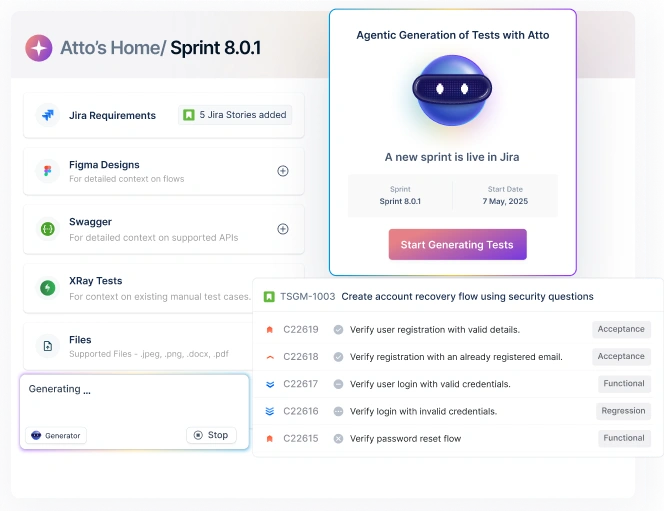
Safari’s DOM and layout shift with OS and browser updates, which is exactly the kind of thing that makes cross-browser suites flaky and expensive to maintain. Testsigma’s AI coworker, Atto, uses context-aware self-healing to adjust tests automatically when the underlying UI changes.
Safari Versions and Macos Supported
| Safari version | OS version | Status |
| Safari 18 | macOS Sequoia / iOS 18 | Current |
| Safari 17 | macOS Sonoma / iOS 17 | Supported |
| Safari 16 | macOS Ventura / iOS 16 | Supported |
| Safari 15 | macOS Monterey / iOS 15 | Supported |
Common Safari-Only Bugs You’re Missing on Chrome
Webkit Flexbox and CSS Grid Rendering Differences
WebKit’s flexbox and grid implementation has diverged from Chromium’s in edge cases for years: gap handling, min-width defaults on flex items, grid auto-placement. A layout that looks correct in Chrome can collapse, overflow, or misalign in Safari for exactly these reasons.
Input Type “date” and “color” Rendering on IOs
<input type=”date”> and <input type=”color”> render with completely different native UI on iOS Safari than in Chrome or desktop Safari: different pickers, different sizing, different tap targets. A form that looks fine in Chrome’s mobile emulator can be genuinely clunky on a real iPhone.
Itp (intelligent Tracking Prevention) and Cookie Blocking
Safari’s Intelligent Tracking Prevention limits cross-site cookies and script access to storage, hard. That can quietly break login flows, analytics, A/B testing tools, and third-party embeds that depend on cross-site cookies. Chrome doesn’t apply the same restrictions, so none of this shows up there.
Safari-Specific Autoplay and Audio/video Restrictions
Safari restricts autoplay more aggressively than Chrome. It generally requires muted video or a user interaction before playback starts. A hero video that autoplays fine in Chrome can just fail to start in Safari, with no error thrown anywhere.
Why Teams Choose Testsigma for Safari Testing
- 3,000+ real browser, iOS, and Android environments in the cloud test lab
- Nagra hit 4x (400%) faster test automation after switching to Testsigma
- Up to 10x faster test development than manual, code-based setups
- No Mac hardware to buy, provision, or maintain
FAQ’s
Yes. Since Apple doesn’t release Safari for Windows, your practical options are a cloud testing platform with real macOS/iOS Safari (like Testsigma), a macOS virtual machine, or remote access to a physical Mac. Cloud platforms scale better since you’re not managing macOS infrastructure yourself.
No. Switching the user agent string in DevTools only changes what a page thinks it’s talking to. The page still renders with Chromium’s engine, not WebKit, so it won’t catch rendering, ITP, or autoplay differences that are specific to real Safari.
A Safari “emulator” usually means spoofing a user agent or running a generic WebKit build, and neither behaves exactly like Apple’s real Safari. Real Safari testing runs against the actual Safari application on actual macOS or iOS, so rendering, security restrictions, and API behavior all match what your users experience.
Selenium supports Safari natively through SafariDriver. Or use a platform like Testsigma, which offers no-code test creation plus support for existing Selenium and Playwright scripts, running on real cloud-hosted Safari environments with parallel execution and CI/CD integration.
Yes. Testsigma gives you access to real iPhones and iPads for mobile Safari, alongside real macOS machines for desktop Safari, so you can cover both without owning any Apple hardware.