

Table Of Contents
- 1 Overview
- 2 Why Seek Sauce Labs Alternatives?
- 3 6 Areas Where Teams Re-evaluate Sauce Labs
- 4 Comparing the Best Sauce Labs Alternatives
- 5 8 Sauce Labs Alternatives and Where Each One Fits
- 6 How to Choose the Right Sauce Labs Alternative
- 7 What to Look at Before You Decide
- 8 FAQs on Sauce Labs vs Its Competitors
Overview
Sauce Labs has been a long-standing choice for cloud-based test automation, especially for Selenium-driven teams. However, as testing needs shift toward faster feedback, simpler setup, and better cost control, many teams now explore alternatives that align closely with modern workflows.
Below are eight commonly evaluated Sauce Labs alternatives and what they do best:
- Testsigma: No-code automation and faster onboarding
- BrowserStack: Broad real device and browser coverage
- LambdaTest: Flexible pricing with solid coverage
- TestingBot: Simple, stable Selenium execution
- HyperExecute: High-speed test execution at scale
- Testim: AI-assisted test stability
- QAWolf: Managed automation services
- AWS Device Farm: AWS-native real device testing
Good testing tools fade into the background. The moment they don’t, teams start paying attention. Sauce Labs has long helped teams scale cloud-based testing.
However, as release speed, environments, and CI/CD demands increase, many teams are rethinking whether their current testing tools still fit how they ship today. Let’s explore some of the top Sauce Labs alternatives.
Why Seek Sauce Labs Alternatives?
Modern testing teams operate under very different constraints than they did even five years ago.
High-performing teams deploy code up to 46× more frequently, according to DORA and Google’s State of DevOps reports. Testing tools need to keep up. While Sauce Labs remains a capable platform, several common reasons drive teams to evaluate alternatives:
- Rising testing costs as test suites grow and parallel execution becomes essential
- Need for faster feedback loops in CI/CD-driven development
- Demand for broader device and browser coverage, especially real devices
- Preference for simpler setup and maintenance, especially for lean teams
- Growing interest in low-code or no-code test creation to reduce dependency on specialized automation engineers
- Rising testing costs as test suites grow and parallel execution becomes essential
- Need for faster feedback loops in CI/CD-driven development
- Demand for broader device and browser coverage, especially real devices
- Preference for simpler setup and maintenance, especially for lean teams
- Growing interest in low-code or no-code test creation to reduce dependency on specialized automation engineers
6 Areas Where Teams Re-Evaluate Sauce Labs
If you really want to understand a testing tool, the best place to look is what users say after using it for a while. Across Reddit, G2, Capterra, and StackOverflow, the same themes keep showing up.
Breaking that feedback down across six core concerns can make those patterns even clearer.
1. Integration and Real Device Testing Limitations
Users frequently mention that while Sauce Labs offers real device testing, the experience can feel costly and less seamless – especially for teams that rely heavily on mobile testing.
What users say:
- “Several teams found real device testing expensive relative to the value delivered.”
- “Integration of real devices felt less polished compared to competitors.”
- “Execution on cloud devices was often slower than local runs, depending on data center proximity.”
- “Some teams moved to alternatives for real devices while keeping Sauce Labs only for specific use cases.”
- “Positive feedback still exists for broad browser coverage and scalable cloud execution.”
2. Cost and Pricing Model
Pricing is one of the most consistent concerns, particularly as test volume and parallel execution increase.
What users say:
- “Sauce Labs is often described as “pricey,” especially for VM-based execution.”
- “Costs rise quickly when teams need dedicated devices or higher concurrency. Some teams weigh Sauce Labs against BrowserStack primarily on budget constraints.”
- “Occasional outages or server issues make the pricing feel harder to justify.”
- “For many teams, cost, not capability, is the deciding factor.”
3. Setup Complexity and Learning Curve
Initial setup and customization are commonly described as time-consuming, especially for teams without strong automation or infrastructure expertise.
What users say:
- “Configuration requires significant upfront effort.”
- “CI/CD integration can take time to get right.”
- “Teams need a learning period to adapt to the platform and its workflows.”
- “Test maintenance becomes ongoing work as applications evolve.”
- “Smaller teams feel the initial investment more acutely.”
4. Performance and Speed Issues
Execution speed is generally slower than local runs, with performance varying based on geography and load.
What users say:
- “Cloud executions are noticeably slower than local tests.”
- “Latency depends on proximity to data centers.”
- “Parallel execution helps, but doesn’t fully eliminate delays.”
- “iOS simulator tests are reported to be slower than Android runs.”
- “VPN reliability can sometimes affect test stability.”
5. Limited Result Retention
Test result retention limits affect teams that rely on historical data for analysis or compliance.
What users say:
- “Test results are typically stored for around 21 days.”
- “Long-term trend analysis becomes difficult without external storage.”
- “Teams running tests on every pipeline push feel this limitation more strongly.”
6. Technical Inconsistencies
Some users report inconsistent behavior across frameworks, environments, or first-time setups.
What users say:
- “Occasional issues with screenshots and reporting.”
- “Flaky behavior in certain frameworks or dynamic test cases.”
- “New users sometimes struggle with initial configuration and execution routing.”
- “Test failures often require manual investigation and adjustments.”
While customer support is generally viewed positively, many teams feel that pricing pressure, setup effort, and operational friction matter more in day-to-day usage than support quality alone.
Comparing the Best Sauce Labs Alternatives
Use this table to compare Sauce Labs alternatives on setup effort, execution speed, scalability, and overall suitability for different team sizes.
| Feature | Testsigma | BrowserStack | TestMu AI (formerly LambdaTest) | TestingBot | HyperExecute |
| Test Creation | Low-code | Code-first | Code-first | Code-first | Code-first |
| Real Device Testing | Yes | Yes | Yes | Limited | Depends on stack |
| Browser Coverage | Wide | Very wide | Wide | Moderate | Framework-driven |
| CI/CD Integration | Native | Strong | Strong | Moderate | Advanced |
| Test Execution Speed | High (optimized runs) | High | High | Moderate | Very high |
| Ease of Setup | Very easy | Moderate | Moderate | Moderate | Complex |
| Scalability | High | High | High | Moderate | High |
| Best Fit | Fast-moving teams | Large QA orgs | Cost-aware teams | Small test labs | Performance-focused teams |
8 Sauce Labs Alternatives and Where Each One Fits
The alternatives below aren’t interchangeable. Some focus on simplicity, others on scale or performance, and a few on cost efficiency – depending on how your team tests.
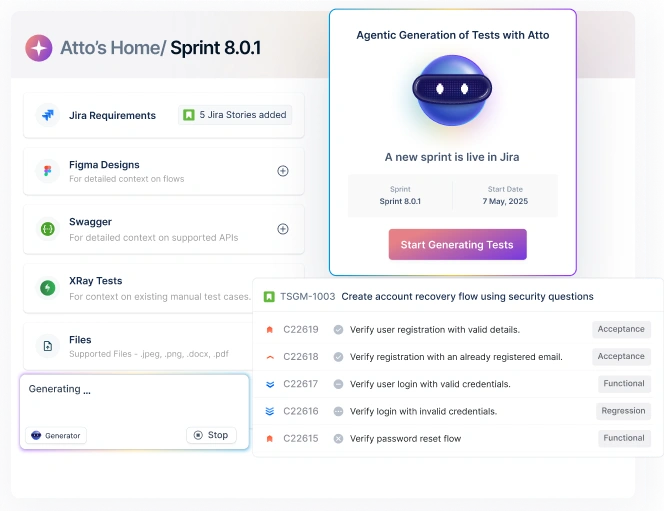
1. Testsigma
Testsigma focuses on reducing the complexity of test automation by making it accessible beyond traditional, code-heavy QA workflows.

It offers:
- Low-code test creation using plain English
- Built-in cloud execution with real device testing
- Native CI/CD integrations without heavy configuration
- Centralized test management and reporting
Why teams choose it: Compared to Sauce Labs and other code-first platforms, Testsigma significantly lowers setup effort and ongoing maintenance. This makes it easier for teams to scale testing without scaling automation expertise.
2. BrowserStack
BrowserStack is often the closest functional alternative to Sauce Labs, known for its extensive browser and real device coverage.
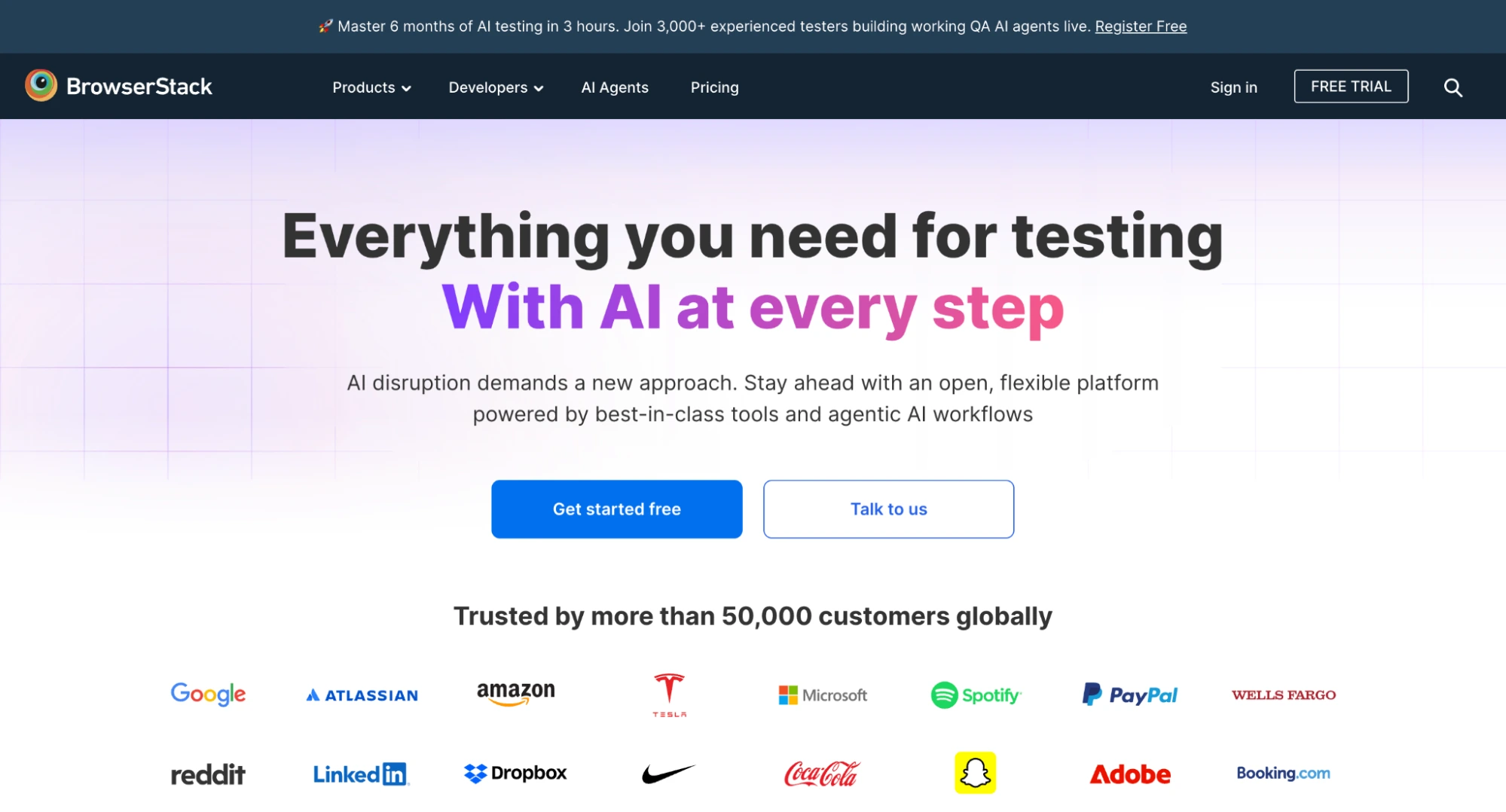
A good alternative if you need reliable real device testing at scale and are comfortable with premium pricing for mature infrastructure and broad ecosystem support.
3. Testmu AI (formerly Lambdatest)
TestMu AI positions itself as a cost-conscious cloud testing platform with strong cross-browser and device coverage.
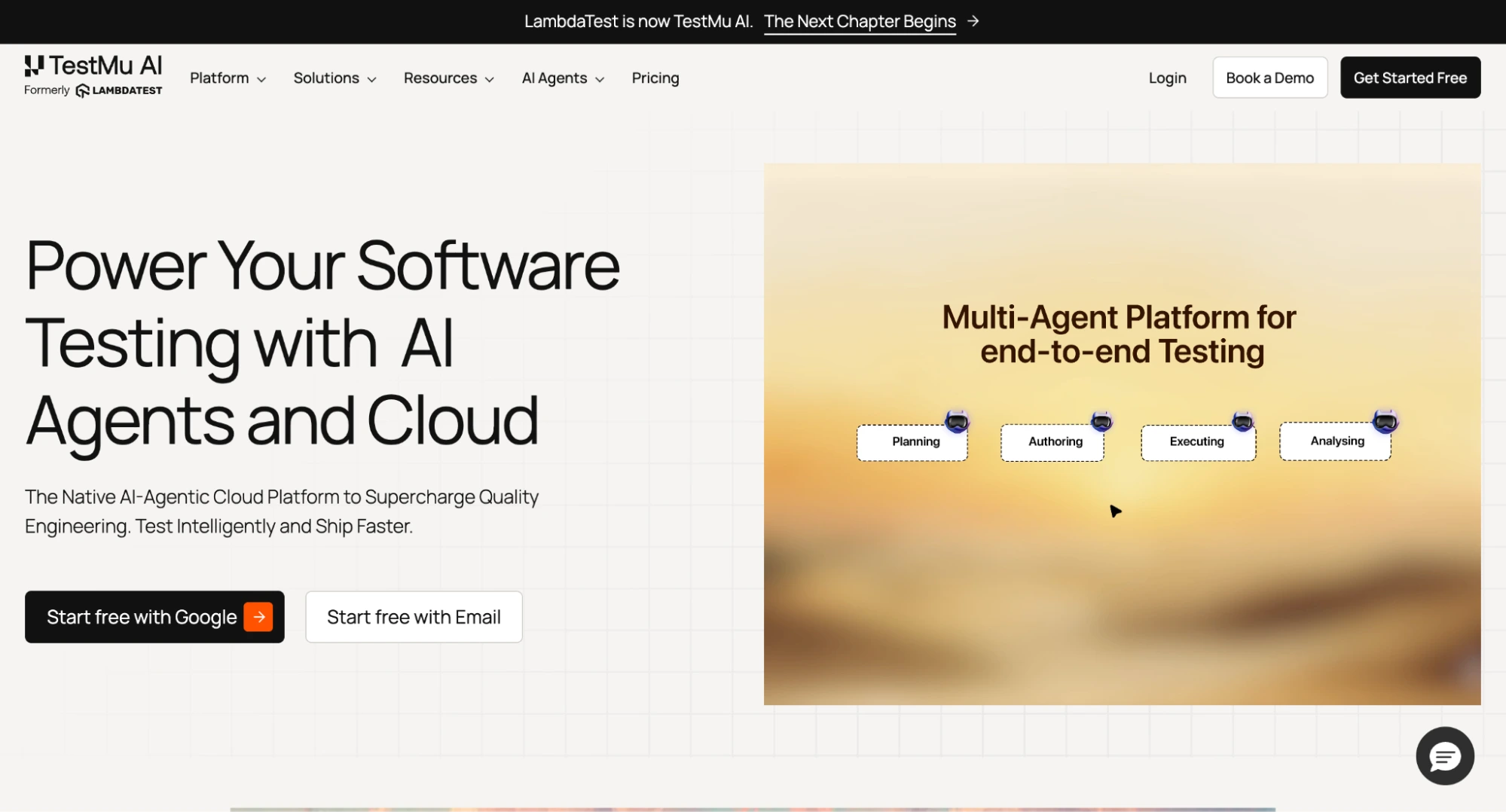
A good alternative if you want solid cross-browser and device testing with flexible pricing, and value added intelligence through TestMu AI, which helps with test insights, failure analysis, and optimization. All of this while continuing to use code-based frameworks.
4. Testingbot
TestingBot focuses on straightforward cloud Selenium execution without added layers of orchestration or abstraction.
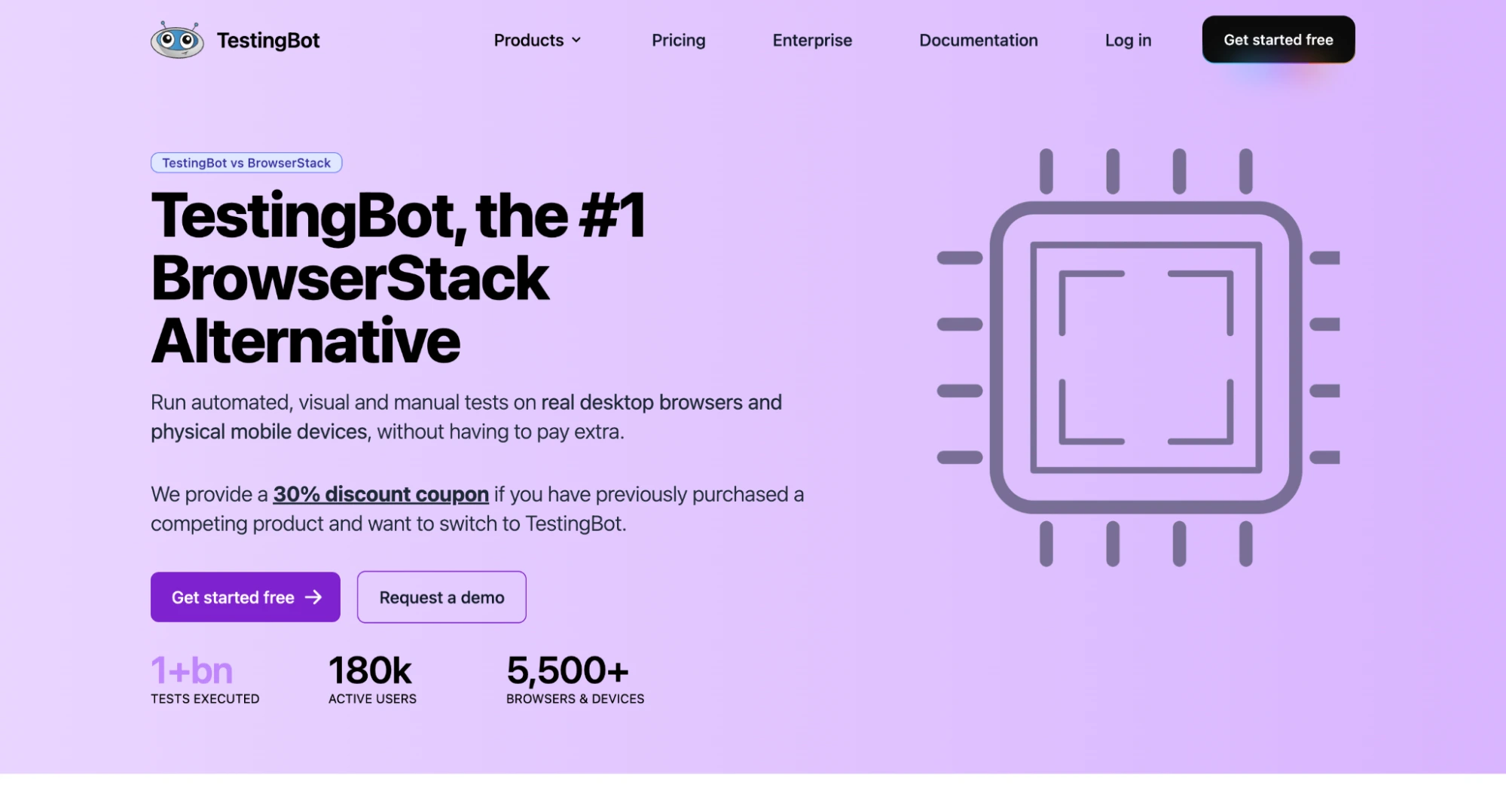
A good alternative if your test suites are relatively stable, your device needs are limited, and you prefer simplicity over advanced testing or scaling features.
5. Hyperexecute
HyperExecute, a part of LambdaTest (now, TestMu AI) is designed for speed, offering high-performance orchestration for large and complex test suites.
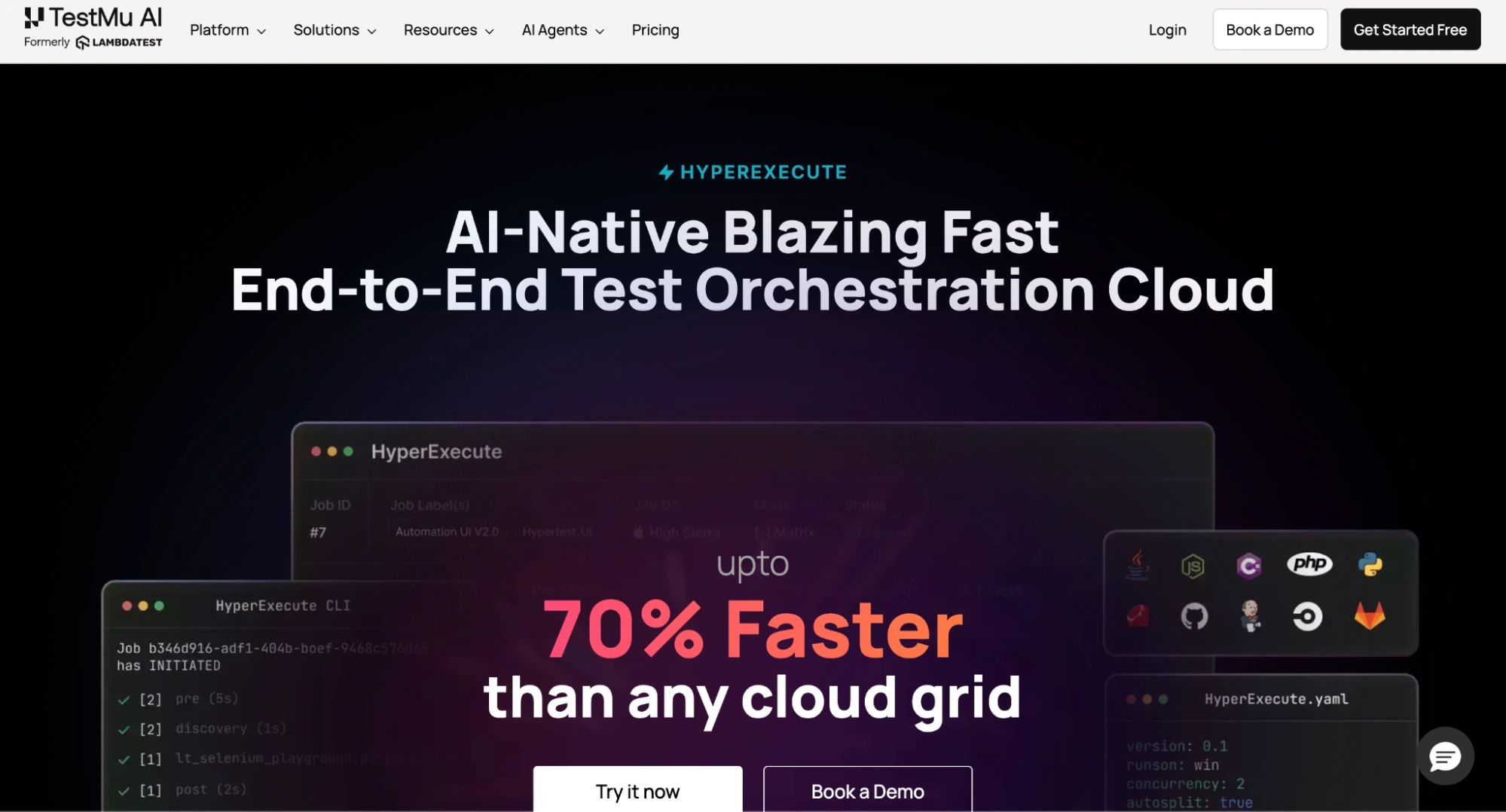
A good alternative if your team has strong automation maturity and needs extremely fast execution at scale, even if setup and maintenance require deeper technical expertise.
6. Testim
Testim uses AI-assisted capabilities to help reduce test flakiness and maintenance in UI-driven applications.
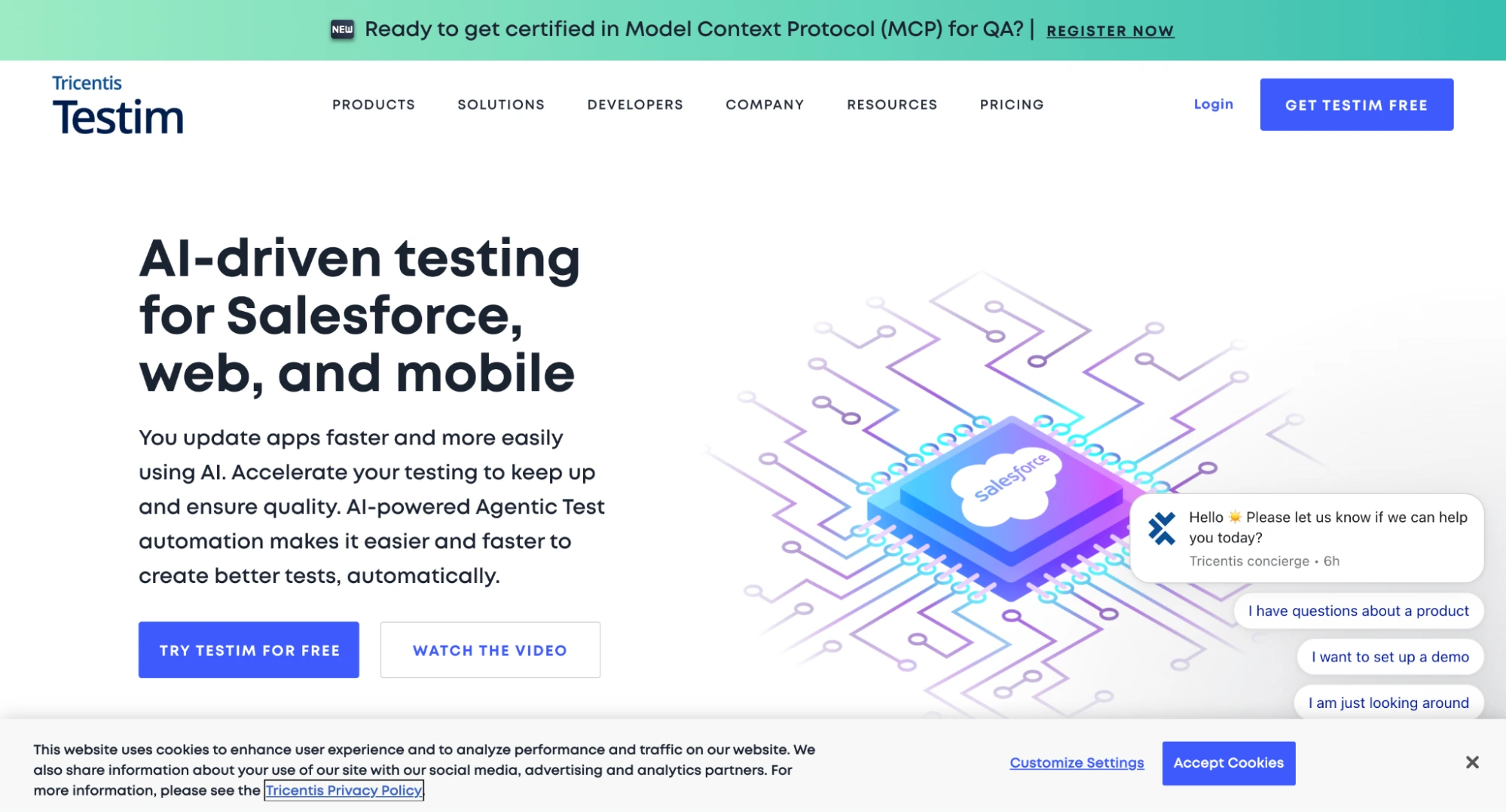
A good alternative if you run UI-heavy tests and want smarter maintenance support, and your team is open to adapting workflows beyond traditional Selenium patterns.
7. Qawolf
QAWolf combines tooling with managed services to help teams get automated tests up and running quickly.
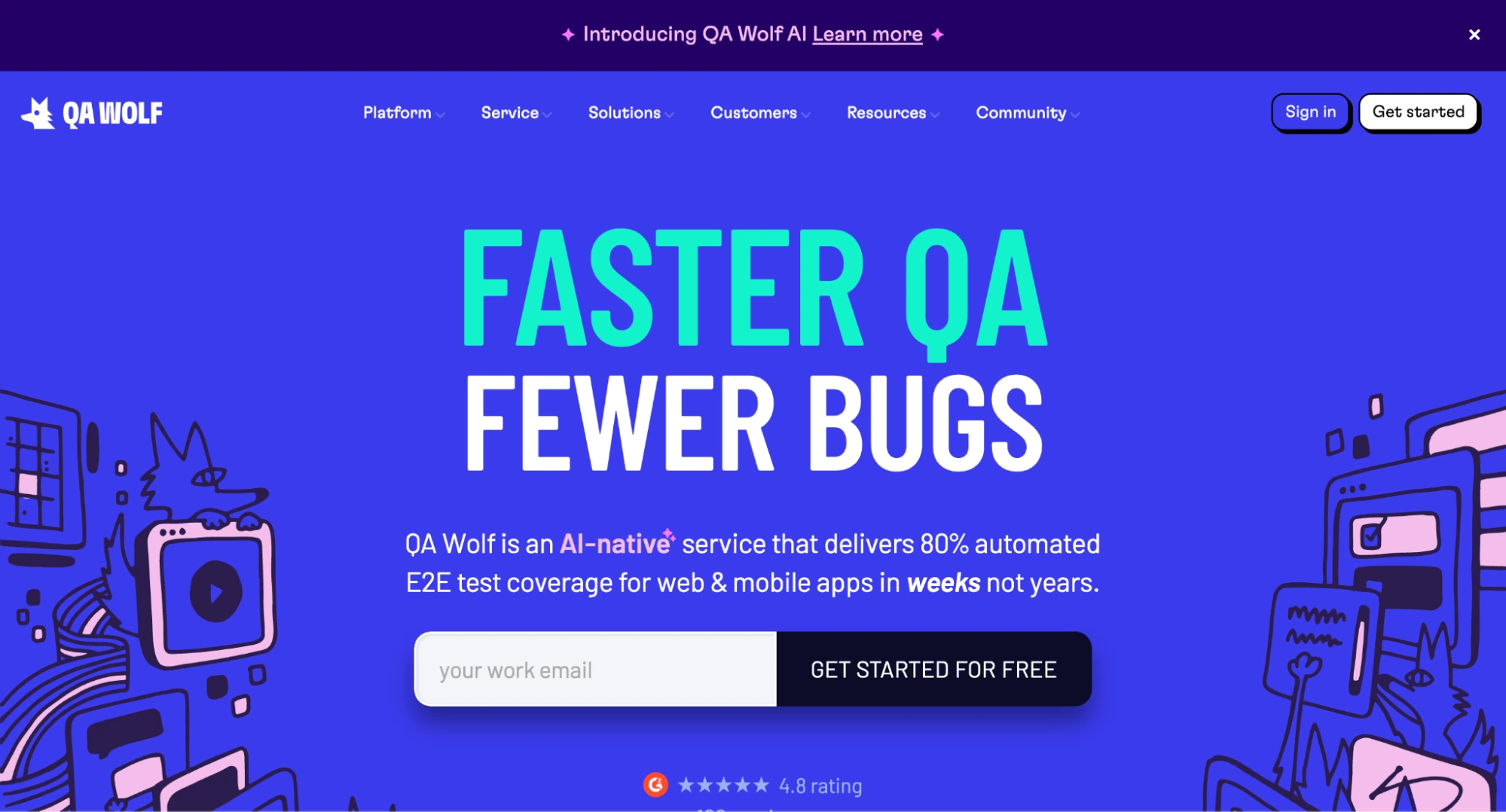
A good alternative if you prefer outsourcing parts of test creation and maintenance instead of building and managing automation expertise internally.
8. AWS Device Farm
AWS Device Farm provides cloud-based testing on real mobile devices within the AWS ecosystem.
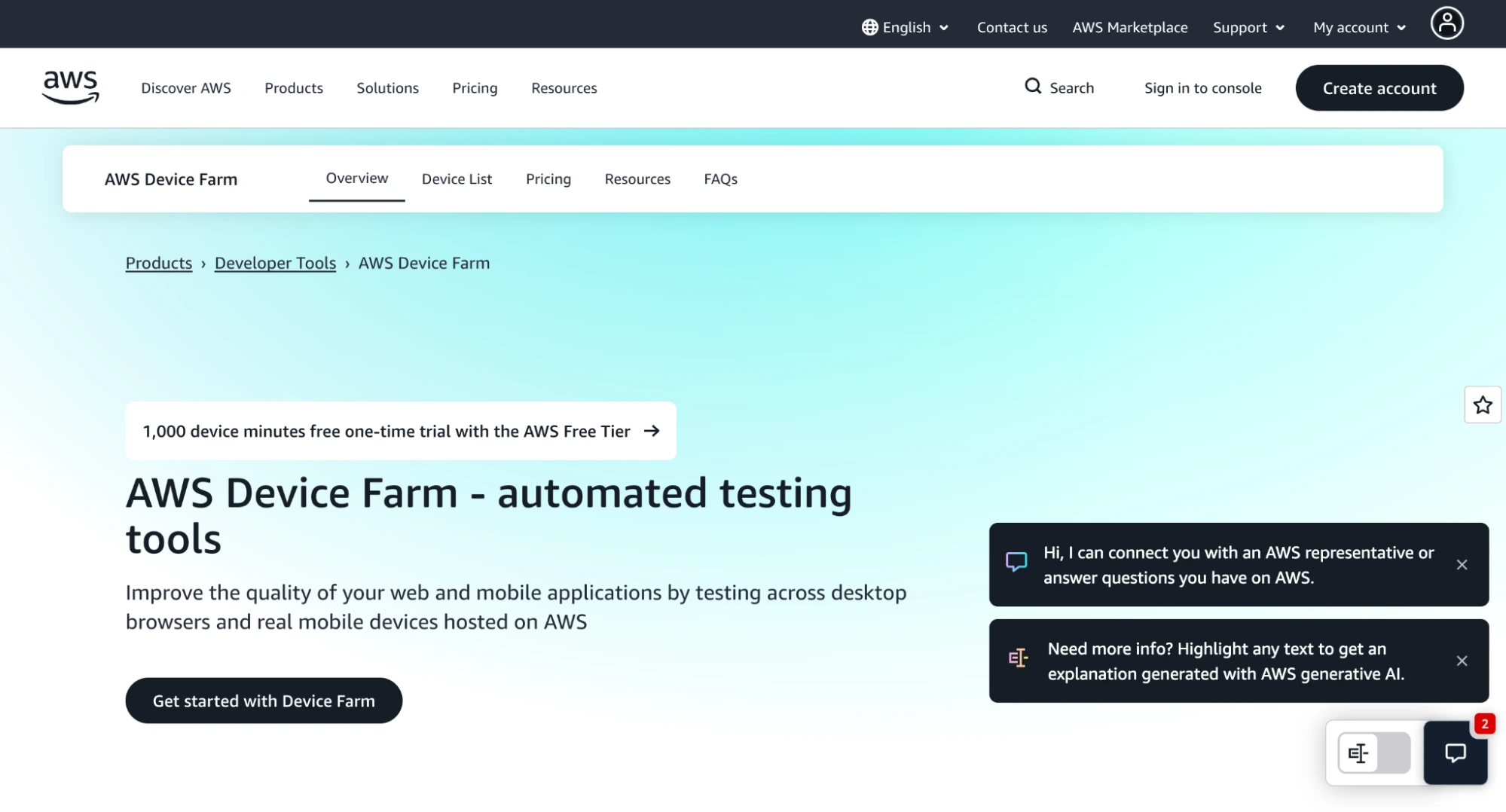
A good alternative if your team is deeply invested in AWS, comfortable managing infrastructure, and primarily focused on mobile testing rather than end-to-end testing platforms.
How to Choose the Right Sauce Labs Alternative
There is no universal “best” alternative; only the best fit for your team. Consider these factors before deciding:
- Team skill set: Do you want developers to own tests, or should non-technical testers contribute?
- Scale and speed: How critical is parallel execution and fast feedback?
- Device requirements: Are real mobile devices essential to your product quality?
- Integration needs: How tightly must testing integrate with your CI/CD pipelines?
- Budget predictability: Will costs remain manageable as your test suite grows?
Teams moving away from Sauce Labs often prioritize ease of use and execution speed alongside cost efficiency – especially when testing becomes a pipeline-critical activity.
What to Look at before You Decide
Sauce Labs is still a capable testing platform, but it isn’t a default fit for every team anymore. As release cycles speed up and testing spreads across more devices, browsers, and pipelines, teams are naturally drawn to tools that simplify testing rather than slow it down.
Choosing between options like Testsigma, BrowserStack, or LambdaTest comes down to how closely a platform matches your day-to-day workflow. The most reliable way to decide is by running real tests – through trials or pilot runs – and seeing which tool delivers faster feedback with less effort.
Build tests faster, run them smarter, and keep pace with modern releases – start testing with Testsigma’s agent-led automation.
FAQs on Sauce Labs Vs Its Competitors
For teams looking to reduce scripting effort, Testsigma is often preferred because it enables automation using plain-English tests without requiring deep coding or framework expertise.
Testsigma is designed for faster onboarding and simpler test creation, while Sauce Labs typically requires stronger automation skills and more setup effort to use effectively.
Sauce Labs is generally priced at the higher end, while many competitors offer more flexible plans that scale more predictably as test volume and parallel execution increase.
Sauce Labs provides cloud scalability but can introduce latency, whereas Selenium or Playwright setups offer greater control and speed but demand more infrastructure management.
Teams often address high costs, complex setup, slower feedback cycles, limited result retention, and the need for more approachable test creation across broader teams.
Migration effort depends on frameworks used, but most alternatives support Selenium and Playwright, making it possible to reuse existing tests with minimal refactoring.
Teams using no-code or low-code platforms often report 30-60% less ongoing test maintenance compared to script-heavy Selenium-based setups.